Asthma is a typical persistent problem that influences numerous youngsters worldwide. As caregivers, comprehending how to recognize asthma signs in kids is important for giving prompt and effective care. In this detailed overview, we will go through the numerous elements of bronchial asthma management, from identifying symptoms to applying emergency treatment measures.
Understanding Bronchial asthma: The Basics
Asthma is identified by inflammation and constricting of the airways, making breathing difficult. It can be triggered by various factors, consisting of irritants, exercise, weather condition modifications, and respiratory infections. Understanding how to recognize bronchial asthma signs in youngsters can equip you as a caregiver to react effectively.
What Creates Asthma?
Asthma can come from genetic proneness or environmental elements. Common triggers consist of:
- Allergens: Dust mites, plant pollen, mold spores, and family pet dander. Irritants: Cigarette smoke, air contamination, and solid odors. Physical Activity: Exercise-induced bronchoconstriction can occur throughout physical exertion. Weather Conditions: Cold air or unexpected temperature changes might exacerbate symptoms.
Recognizing Bronchial asthma Symptoms in Children
Recognizing bronchial asthma symptoms in children includes being attentive about modifications in their habits or health status. Trick symptoms include:
- Wheezing: A high-pitched whistling sound when exhaling. Coughing: Consistent coughing that may worsen in the evening or throughout play. Shortness of Breath: Trouble breathing or feeling out of breath during physical activity. Chest Tightness: An experience of rigidity or pressure in the chest.
By observing these signs early, caregivers can act promptly to take care of the child's condition.
The Importance of Early Recognition
Early recognition of bronchial asthma symptoms can greatly decrease the risk of serious attacks. When caretakers are geared up with understanding regarding identifying asthma symptoms in youngsters, they are better prepared to take ideal action quickly.
Common Misunderstandings About Asthma
There are several misunderstandings surrounding bronchial asthma that can prevent reliable monitoring:
Continue reading Asthma is Just a Youth Illness: While many youngsters have asthma, it can persist right into adulthood. All Asthmatics Wheeze: Not all individuals with bronchial asthma experience hissing; some might just cough. Once Treated, It's Cured: Bronchial asthma is a persistent condition that calls for recurring administration instead of a single cure.Understanding these misconceptions aids caretakers approach asthma with practical expectations.
Choking Avoidance & Emergency treatment Training
In addition to taking care of bronchial asthma signs, caregivers need to additionally understand choking prevention strategies. Appropriate training like HLTAID012 qualification Australia provides extensive emergency treatment education tailored for instructors managing children.
Key Choking Prevention Techniques
Supervise Meal Times: Always supervise young children while they eat. Cut Food Properly: Cut foods into tiny items proper for the kid's age. Teach Safe Consuming Habits: Motivate chewing food thoroughly before ingesting and prevent speaking while eating.Responding to a Choking Incident
If a Hobart First Aid youngster begins to choke:
Assess if they have the ability to cough or breathe; if not: Call for help instantly while executing back impacts and abdominal thrusts (Heimlich maneuver). If skilled, utilize an EpiPen if an allergic reaction comes with choking (for those with known allergies).Playground Accidents and Security Protocols
Playgrounds are typically sites for minor injuries amongst kids-- an area where correct first aid expertise comes into play.
Managing Minor Wounds on the Playground
When accidents happen on the play ground:
Assess the injury:- Is it a scrape or cut? Is there considerable bleeding?
Child Defibrillation Guidance
For extreme circumstances like heart attack (although rare), recognizing child defibrillation guidance becomes essential:
- Ensure you call emergency services quickly prior to starting CPR. Use pediatric pads if available when using an Automated External Defibrillator (AED).
Building Teacher Confidence With Training
Equipping instructors with first aid training cultivates confidence in dealing with emergencies within child care setups.
Written vs Practical Parts of Training
The best training programs integrate both written products and functional exercises:
Written parts give theoretical expertise regarding youth health problems and first aid protocols. Practical workouts develop hands-on skills required throughout real-life emergencies.This mix makes sure instructors are well-prepared for any kind of situation that emerges regarding acknowledging asthma signs in kids or reacting to various other events like choking.
Incident Coverage Protocols
Effective occurrence reporting methods help keep safety requirements within child care environments.
Steps for Accurate Case Reporting
Document the incident details promptly after it happens:- Date & & time Individuals involved Nature of the incident Actions taken
Immediate Response Obligations for Caregivers
As caretakers, understanding your immediate action obligations during an emergency situation is critical:
Key Obligations Include:
Ensuring safety by removing threats from the environment (e.g., sharp things). Administering emergency treatment as called for based upon your training degree (like HLTAID012 certification). Communicating clearly with parents about any type of cases involving their child and preserving openness throughout the process.Renewal Timelines for First Aid Certifications
Maintaining updated certifications guarantees that you're always prepared-- know your revival timelines!
Renewal Timelines Overview
|Accreditation|Renewal Frequency|| ---------------|------------------|| HLTAID012|Every three years|| Baby CPR|Yearly|| Young Child First Aid Basics|Every 2 years|
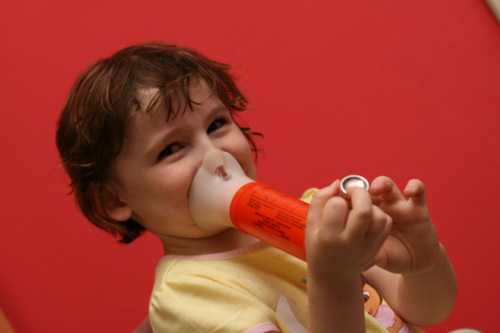

Keeping track of these timelines avoids lapses in crucial abilities needed for properly handling emergency situations involving childhood ailments like bronchial asthma or taking care of choking incidents.
FAQs About Recognizing Bronchial asthma Signs in Children
What activates bronchial asthma attacks in children?
Common causes include allergens such as dust mites and plant pollen; irritants like tobacco smoke; exercise; weather condition changes; and respiratory infections.
How do I understand if my youngster's coughing is because of asthma?
If your child has persistent coughing that gets worse in the evening or during playtime-- and is gone along with by hissing-- it could be indicative of asthma.

Can I stop my child from having an asthma attack?
While you can not entirely stop asthma strikes, lessening direct exposure to understood triggers can considerably reduce their frequency.
When needs to I look for medical help for my child's asthma?
Seek immediate medical interest if your youngster reveals signs of severe difficulty breathing; if their lips or face transform blue; or if they do not react well to medication.
What should I do if my child's suggested inhaler isn't working?
If your child's inhaler isn't giving relief after numerous dosages over a brief period-- or if their signs and symptoms get worse-- seek emergency clinical assistance right away.
How often must I have my child's medicine reviewed?
Regular exams every 6 months-- with adjustments made as needed-- assistance make certain optimum control over managing your kid's asthma.
Conclusion
Recognizing asthma signs in kids is essential for caretakers tasked with ensuring their well-being in your home or within instructional settings alike! By comprehending essential indications such as hissing and relentless coughings-- along with including appropriate emergency treatment methods-- you add substantially in the direction of cultivating safe environments helpful not simply towards finding out but general health as well!
With sources like HLTAID012 qualification Australia readily available today alongside steadfast commitment towards improving instructor confidence around taking care of childhood years health situations-- we stand far better equipped than ever!
So allowed's collaborated-- as caretakers-- to create spaces where children flourish without concern associated with persistent problems similar to this one!
First Aid Pro North Hobart (RTO 31124) is one of Australia’s leading providers of accredited First Aid and CPR training. We specialise in Basic Life Support, CPR & First Aid, NDIS HISS, Advanced First Aid and many other accredited courses. Our training is both convenient and comprehensive, combining online and face-to-face learning options to suit your needs. Keep your first aid certificates up to date with same-day certification upon completion. Plus, find a lower price, and we’ll instantly beat it by 10%! Conveniently located at the Braille Library, at the back of Rydges Hobart at 393 Argyle Street, North Hobart, TAS 7000. Visit our website for course dates, directions and parking details
First Aid Pro North Hobart (RTO 31124) is one of Australia’s leading providers of nationally accredited First Aid and CPR training. We deliver a wide range of courses, including Basic Life Support, HLTAID009 CPR, HLTAID011 Provide First Aid, HLTAID012 Childcare First Aid, NDIS HISS, Advanced First Aid and more. Our training is flexible and convenient, with online, blended and face-to-face options available to suit your schedule. Enjoy same-day certification so you can keep your qualifications current without delay. With our Price Beat Guarantee, if you find a lower price, we’ll beat it by 10%. We are conveniently located at the Braille Library, behind Rydges Hobart, 393 Argyle Street, North Hobart TAS 7000. 👉 Visit our website to view upcoming course dates, directions and parking information.